Understand
Understand crop requirements, field conditions and the challenges faced by farmers.
Quality Seeds • Better Crops • Better Future

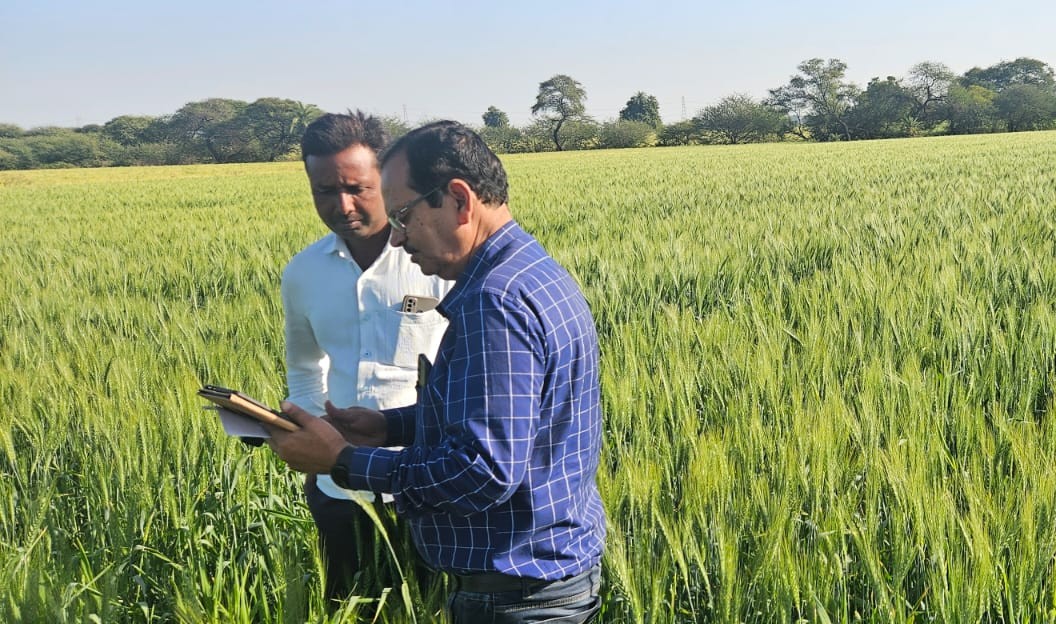
From crop understanding to field evaluation, our R&D approach is focused on identifying practical opportunities for better agricultural performance and farmer-oriented solutions.
Research and development in agriculture is a continuous process. It requires understanding crop behaviour, growing conditions, seed quality, farmer requirements and field performance.
Understand crop requirements, field conditions and the challenges faced by farmers.
Evaluate promising materials and agricultural practices through structured observations.
Compare crop performance using relevant field observations and measurable parameters.
Keep practical farmer requirements at the centre of agricultural development.
Radhika Seeds is focused on important agricultural crops including Wheat, Soybean, Green Gram and Paddy, while remaining open to future crop opportunities.
01
Wheat research can focus on important characteristics such as crop establishment, grain quality, plant performance, maturity, adaptability and productivity under suitable Rabi growing conditions.
 02
02
Soybean evaluation can consider productivity, agronomic performance, adaptability, seed quality and response to different field conditions. Such areas are important in soybean research and development. :contentReference[oaicite:1]{index=1}
 03
03
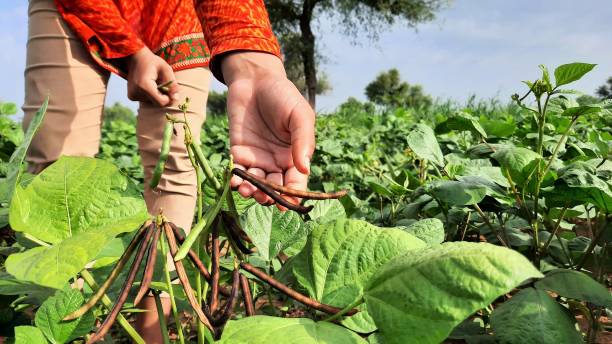
Green gram research can include evaluation of crop duration, plant growth, seed quality, productivity and suitable agronomic practices. Research literature also evaluates cultural practices and seed-quality parameters in green gram. :contentReference[oaicite:2]{index=2}
 04
04
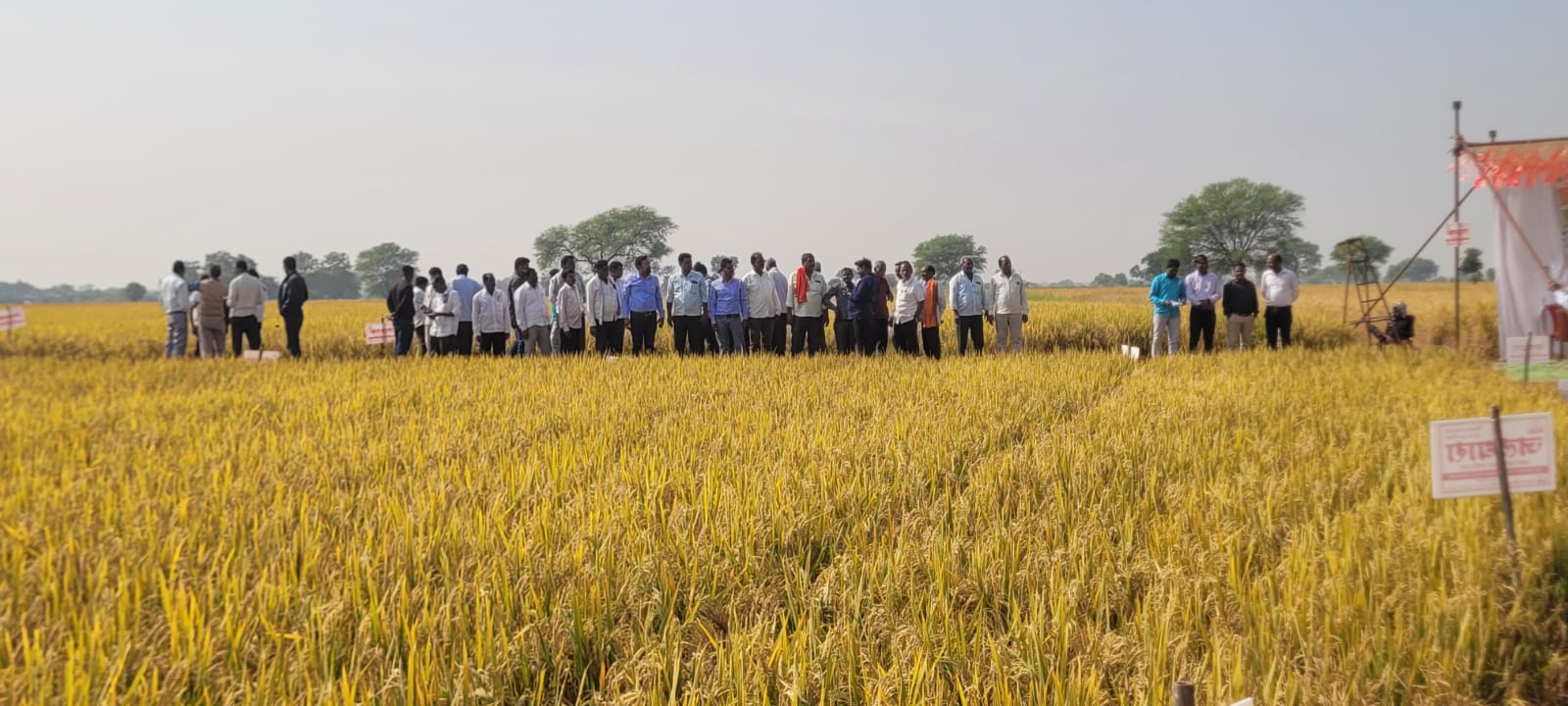
Paddy research can consider establishment, crop adaptability, grain characteristics, productivity and suitability under different growing environments.
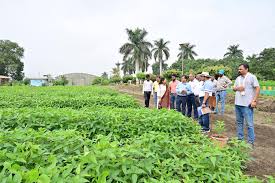
Field trials provide an important bridge between research concepts and practical agricultural conditions.
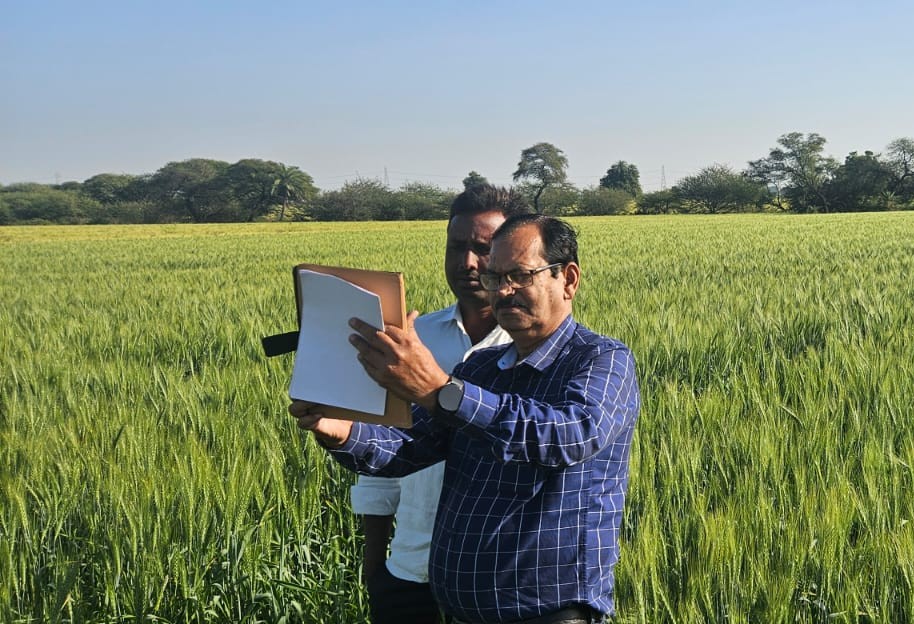
Define the objective, crop, evaluation parameters and suitable field conditions.
Establish trial plots using appropriate agronomic practices and clearly defined treatments.
Observe plant growth, crop uniformity, development stages, disease or stress response and other relevant parameters.
Record appropriate observations and compare field performance against defined evaluation criteria.
Use field observations to identify opportunities for further evaluation and agricultural improvement.
Early crop establishment and uniformity.
Growth behaviour and crop development.
General crop health and field response.
Relevant agronomic performance indicators.
Relevant quality characteristics.
Response across suitable growing conditions.
Agricultural needs are continuously changing. Our R&D approach is designed to remain focused on field realities, crop performance and the evolving requirements of farmers.